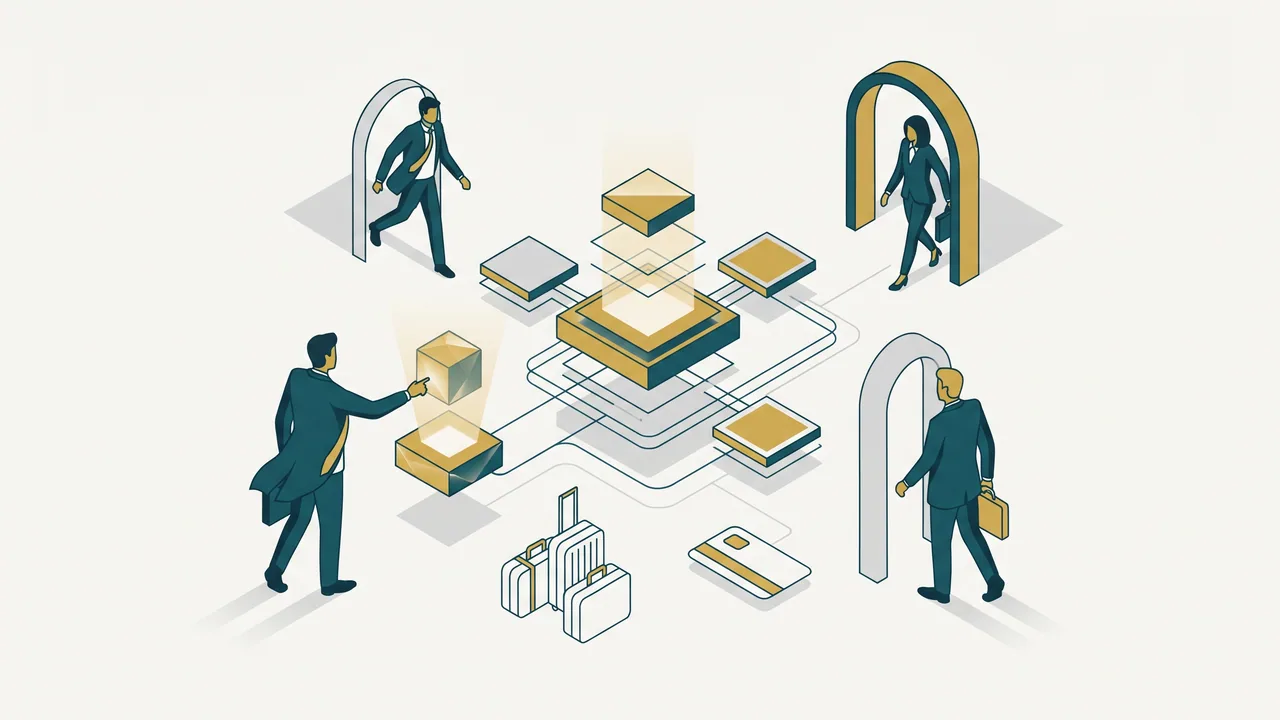
For many independent hotels, hostels and campsites, technology is both a blessing and a headache. Booking engines, property management systems (PMS), channel managers, guest messaging tools and AI assistants all promise to make operations smoother. But when these tools don’t work together, the result is often extra work, manual data entry, and costly mistakes. That’s why more and more properties are consolidating PMS, channel manager and AI guest messaging into a single, integrated system. In this article, we’ll explore what’s driving this shift, what to look for in an all-in-one platform, and practical steps for making the transition.
The Problem with a Patchwork of Hotel Tech Tools
It’s common for independent properties to piece together their own tech stack over time. Maybe you started with a PMS to track bookings, then added a channel manager to connect with OTAs like Booking.com, Expedia and Airbnb, and later subscribed to a guest messaging tool or AI receptionist. Each tool solves a problem, but when they don’t communicate seamlessly, issues arise:
- Manual entry: Staff must update rates, availability and guest info in multiple places, leading to errors.
- Missed messages: Guest inquiries from different channels (OTAs, website, WhatsApp) can slip through the cracks.
- Delayed responses: Switching between systems slows down replies, risking lower guest satisfaction and missed bookings.
- Training burden: New staff must learn several interfaces, increasing onboarding time and confusion.
- Higher costs: Multiple subscriptions and integrations can add up, straining tight budgets.
Ultimately, fragmented systems can undermine the very efficiency and guest experience they’re meant to improve.
The Case for Consolidation: Benefits of Unified Systems
All-in-one platforms that combine PMS, channel manager and AI guest messaging are gaining traction for good reason. Here’s what independent hotels and similar properties stand to gain:
- One source of truth: Bookings, rates, availability and guest data are managed in a single calendar, reducing the risk of double-bookings and discrepancies.
- Real-time updates: When a room is sold on Booking.com, Expedia or Airbnb, availability instantly syncs across all channels, including your direct booking engine.
- Integrated messaging: AI-powered replies to guest questions on OTAs, WhatsApp and your website chat use live property data, ensuring accurate, timely responses in the guest’s language.
- Faster onboarding: Staff learn one system, not three or four, and can see all conversations and bookings in one place.
- Lower risk of errors: Automated workflows cut out manual copying and pasting, reducing mistakes with rates, dates or guest details.
- Simplified support: When issues arise, there’s one support team to call, not a web of vendors passing blame.
For example, Ospitessa offers a PMS for hotels, guesthouses, hostels and campsites, available in 17 languages, with a certified channel manager and AI guest messaging that replies in the guest’s language. The AI can answer guest messages inside Booking.com, Expedia and Airbnb, as well as on WhatsApp and your website chat, using your property’s live availability and house rules.
What to Check Before Moving to an All-in-One Platform
Not all unified systems are created equal. Before consolidating, consider the following checklist to ensure the platform fits your property’s needs:
- Supported channels: Does the channel manager sync with your main OTAs (e.g. Booking.com, Expedia, Airbnb) and allow only one channel manager per property as some platforms require?
- Direct bookings: Is a commission-free booking engine included, with online payment options?
- Messaging coverage: Can the AI handle guest messages on all your key channels (OTAs, WhatsApp, website chat)? If you use other channels, ask the provider which are supported.
- AI accuracy: Does the AI use your live rates, availability and house rules when replying? Can you choose between draft and automatic replies?
- Automation vs. control: Can staff review and approve AI responses, or do you want fully automatic messaging?
- Multi-language support: Does the system handle guest communications in all the languages you need?
- Onboarding and migration: Will the vendor help connect your channels, import property data and assist with setup?
- Cost structure: Are pricing and included features clear, with no hidden fees or setup charges?
For instance, Hotel Guest Messaging from AI Receptionist includes Ospitessa’s messaging features for a fixed monthly fee, with no setup cost and OTA commissions remaining under your existing contracts.
Step-by-Step: How to Move from Multiple Tools to a Unified System
Switching from a patchwork of hotel tech tools to an all-in-one platform doesn’t have to be daunting. Here’s a practical step-by-step process:
- Audit your current stack: List all your systems (PMS, channel manager, messaging, booking engine, payments) and what each is used for.
- Define must-haves: Identify which features are essential for your property. Include channel coverage, messaging needs, reporting, housekeeping, invoicing and language support.
- Shortlist providers: Research platforms that combine PMS, channel manager and AI messaging. Check reviews, ask for demos and verify channel manager certification.
- Check integration: Confirm the provider can connect to your existing OTA accounts and migrate your property data (rooms, rates, bookings) without downtime.
- Plan the transition: Choose a low-season or quiet period for the switch. Inform staff and provide training on the new system.
- Test thoroughly: Run parallel tests with your old and new systems for a few days. Check that bookings, messages and payments sync correctly.
- Go live and monitor: Once confident, switch fully to the new platform. Monitor for errors and reach out to support promptly if issues arise.
Providers like Ospitessa typically handle the technical side of setup, including connecting your channels and loading your property details, so your team can focus on operations.
Template: Questions to Ask Vendors Before You Consolidate
Use these questions in your vendor conversations to make sure the platform is a good fit:
- How does your channel manager handle changes in availability and rates across Booking.com, Expedia and Airbnb?
- Can your AI answer guest questions in all the languages we receive bookings in?
- Do you support scheduled messages (e.g. booking confirmation, check-in instructions) on OTAs and WhatsApp?
- What’s the process for migrating our data and connecting our existing OTA accounts?
- Are there any setup fees or hidden charges?
- How do you handle complaints, cancellations and group bookings in the system?
- Can we review and approve AI replies before they’re sent, or set automatic messaging?
- What support is available if we need help after going live?
- Which guest messaging channels are supported, and are there plans to add more in the future?
These questions help ensure you avoid surprises and choose a platform that fits your operational reality.
Is Consolidation Right for Your Property?
Moving to a unified system isn’t about chasing the latest tech trend; it’s about making daily operations easier, reducing mistakes and freeing up staff time for what matters: serving guests. If your team is juggling multiple tools, struggling with manual entry, or missing guest messages, it may be time to explore consolidation. Start by reviewing pricing and features of leading platforms, and talk to providers about how they can help you streamline your property’s workflow. The right technology should work for you, not the other way around.