Understanding Employee Burnout in Service Industries
Employee burnout is a significant concern in service-oriented businesses. According to a study by Gallup, 76% of employees experience burnout on the job at least sometimes. In industries like dental practices, salons, hotels, and restaurants, where high customer interaction is constant, the pressure can be overwhelming. Long hours, repetitive tasks, and demanding clients contribute to this phenomenon.
For example, a dental clinic with five receptionists may handle up to 500 calls and manage 600 appointments weekly. The constant need to juggle these responsibilities can lead to mental fatigue and decreased job satisfaction.
How AI Receptionists Can Help
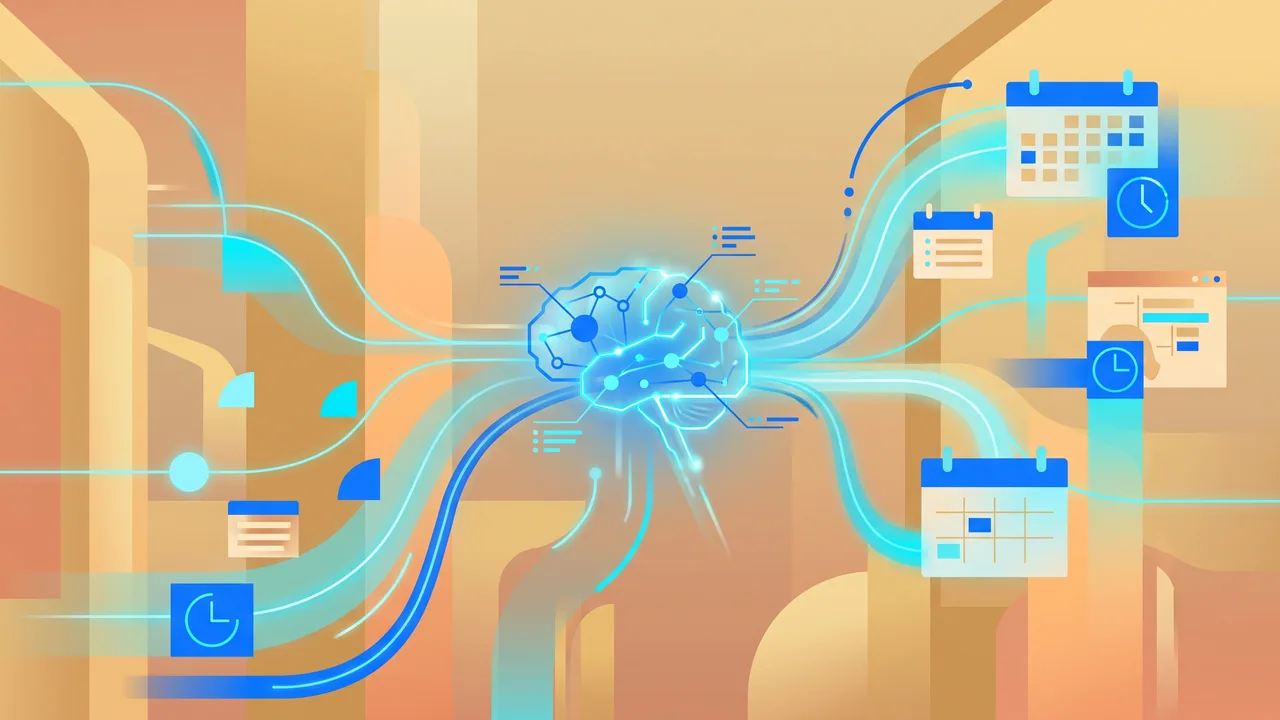
AI receptionists can significantly ease the burden on human employees by automating repetitive tasks. These systems can handle appointment scheduling, answer frequently asked questions, and even manage customer feedback. By doing so, they free up staff to focus on more complex and rewarding tasks.
For instance, a restaurant using an AI receptionist reported a 30% reduction in call handling time. This efficiency allowed employees to spend more time on customer service rather than administrative tasks, leading to a happier workforce.
Case Studies: Real-World Impact
Several service businesses have successfully integrated AI receptionists and seen tangible results. A dental clinic that implemented an AI system found that 40% of appointment confirmations were automated, reducing the workload on receptionists. This change resulted in a 25% decrease in employee turnover within the first six months.
Similarly, a salon that introduced an AI receptionist saw a 50% increase in customer satisfaction scores. Employees reported feeling less overwhelmed, allowing them to engage more positively with clients, thus enhancing the overall customer experience.
Improved Work-Life Balance
By incorporating AI receptionists, businesses can offer their employees a better work-life balance. With fewer administrative tasks to manage, staff can leave work on time and reduce the stress associated with overtime. This balance is crucial, especially in high-stress environments like clinics and hotels.
A hotel that adopted an AI receptionist reported that staff had 2 hours more free time each week. This extra time led to decreased stress levels, improved morale, and a more cohesive team environment.
Final Thoughts: Embracing AI for a Healthier Workplace
AI receptionists are not just a technological trend; they are a solution to a pressing problem in service industries. By automating routine tasks, AI can help reduce employee burnout and improve job satisfaction. The numbers speak for themselves—businesses that have embraced this technology are seeing significant improvements in both employee well-being and customer service.
Get started today by exploring how AI receptionists can transform your business and create a healthier work environment for your team.